Franchising in the Modern Age: Expert Advice from Hospitality Hangout's FS/TEC Guests
Welcome to an in-depth exploration of the modern franchising landscape, drawing insights directly from top hospitality leaders who joined us live at FS/TEC. In this blog post, we'll delve into the strategies and best practices discussed during our engaging panel, offering actionable advice for both franchisors and franchisees. From balancing brand consistency with franchisee autonomy to leveraging technology for growth, we'll cover the key elements of successful franchising in today's dynamic environment.
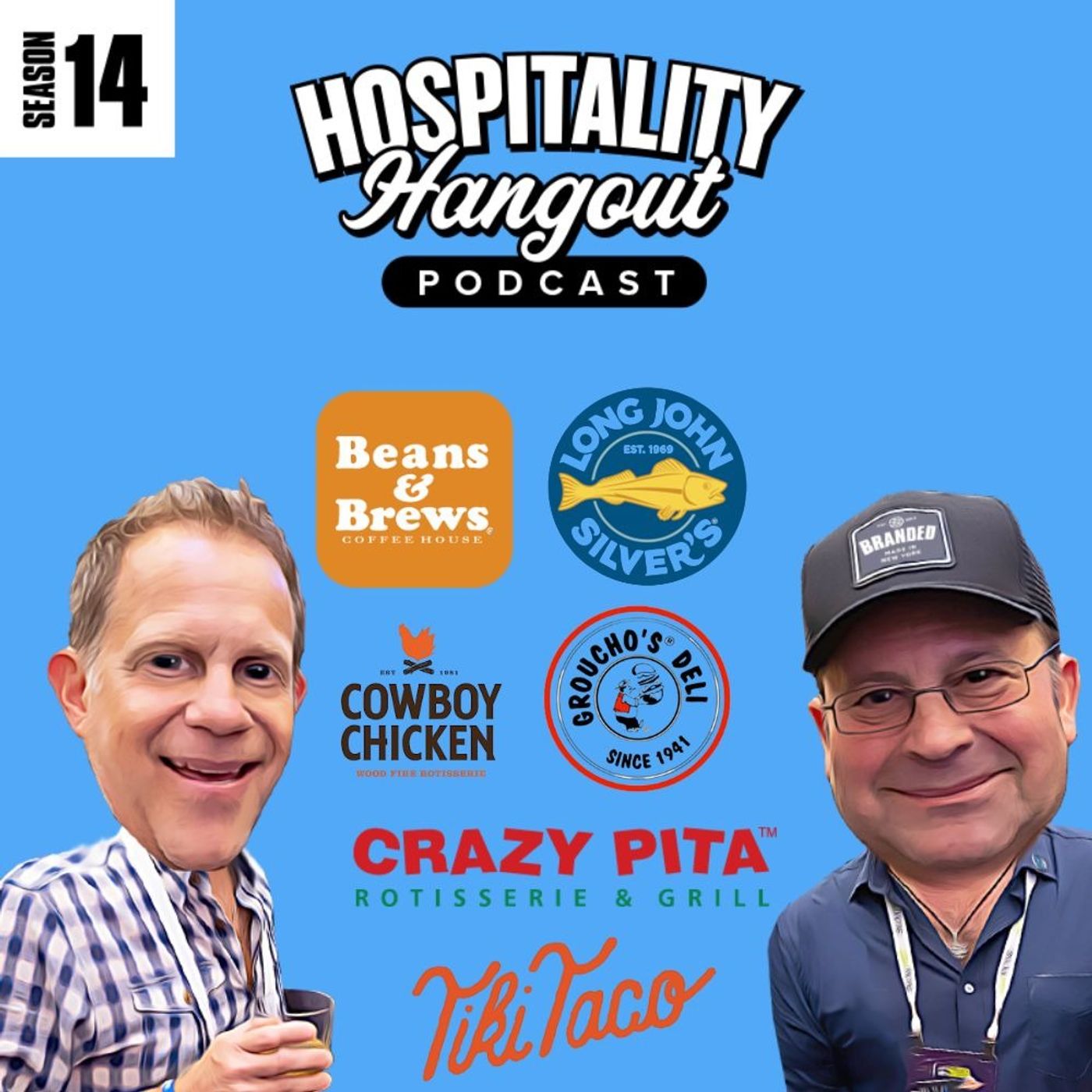
This blog post is based on our recent episode, Hospitality Industry Growth & Technology Insights from Leaders at FS/TEC, where we had the privilege of speaking with experts from Groucho’s Deli, Long John Silver’s, Tiki Taco, Cowboy Chicken, Crazy Pita, and Beans & Brews Coffee House. If you haven't already, we encourage you to listen to the full episode for even more insights and perspectives.
Introduction: The Modern Franchise Landscape
The franchising model remains a powerful engine for growth and expansion in the hospitality industry, offering entrepreneurs a proven business framework and established brand recognition. However, the modern landscape presents both opportunities and challenges. Consumer expectations are evolving rapidly, technology is transforming operations and marketing, and competition is fiercer than ever. To thrive in this environment, franchisors and franchisees must embrace innovation, adapt to change, and prioritize collaboration.
Franchising isn't just about replicating a successful business; it's about fostering a partnership. It's about creating a system where both the franchisor and franchisee can thrive. This requires a delicate balance of structure and flexibility, ensuring brand standards are maintained while empowering franchisees to cater to local market needs. The role of technology is also crucial, enabling streamlined operations, enhanced customer experiences, and data-driven decision-making. Ultimately, success in modern franchising hinges on strong leadership, effective communication, and a shared commitment to excellence.
Franchise Experts from FS/TEC: A Panel Overview
Our panel at FS/TEC brought together a diverse group of experienced hospitality leaders, each representing a unique brand and perspective. Mehdi Zarhloul from Groucho’s Deli shared insights on maintaining brand authenticity while scaling a regional favorite. Brittany Mercer from Long John Silver’s discussed the challenges and opportunities of revitalizing a legacy brand in a competitive market. Eric Knott from Tiki Taco offered a fresh perspective on building a fast-casual concept with a focus on quality and customer experience. Deric Rosenbaum from Cowboy Chicken highlighted the importance of operational efficiency and technology integration. Doug Willmarth from Crazy Pita emphasized the power of creating a unique and memorable dining experience. And Tim Newton from Beans & Brews Coffee House shared strategies for building a strong community connection and fostering customer loyalty.
These experts provided invaluable insights into various aspects of franchising, from brand management and operational excellence to technology adoption and customer engagement. Their collective experience represents a wealth of knowledge for anyone involved in the franchise industry, whether as a franchisor, franchisee, or aspiring entrepreneur. Throughout this blog post, we'll draw on their expertise to explore key topics and offer practical advice.
Balancing Brand Consistency and Franchisee Autonomy
One of the biggest challenges in franchising is striking the right balance between brand consistency and franchisee autonomy. On one hand, maintaining consistent brand standards is crucial for protecting brand reputation and ensuring a consistent customer experience across all locations. On the other hand, franchisees need the flexibility to adapt to local market conditions, cater to specific customer preferences, and implement innovative ideas. The key is to establish clear guidelines and expectations while empowering franchisees to make decisions that are in the best interest of their local business.
This balance can be achieved through a combination of robust training programs, detailed operational manuals, and ongoing communication. Franchisors should provide franchisees with the tools and resources they need to succeed while also encouraging them to share their ideas and feedback. It's important to create a culture of collaboration and trust, where franchisees feel empowered to contribute to the overall success of the brand. For example, a national promotion might need slight tweaking to fit a regional palate, and allowing that flexibility shows the franchisee that their knowledge of their market is valued. Furthermore, a detailed style guide and frequent quality checks can help ensure that even with the flexibility to make some changes, each franchise still upholds the values and quality associated with the brand.
The Cornerstone of Success: Support and Training
Comprehensive support and training are the cornerstones of a successful franchise system. Franchisors must provide franchisees with the knowledge, skills, and resources they need to operate their business effectively. This includes initial training on all aspects of the business, from operations and marketing to customer service and financial management. Ongoing support is also essential, providing franchisees with access to expert advice, troubleshooting assistance, and ongoing training opportunities.
Effective training programs should be tailored to the specific needs of the franchise system and should incorporate a variety of learning methods, including classroom instruction, hands-on training, and online resources. Support should be readily available and accessible, whether through phone, email, or in-person visits. Franchisors should also foster a strong sense of community among franchisees, providing opportunities for them to connect, share best practices, and learn from each other. Mentorship programs can also be a valuable tool, pairing new franchisees with experienced operators who can provide guidance and support. The most effective franchisors view their franchisees as partners and invest in their success.
Technology's Role in Modern Franchising
Technology plays a critical role in modern franchising, enabling streamlined operations, enhanced customer experiences, and data-driven decision-making. From point-of-sale systems and online ordering platforms to customer relationship management (CRM) software and data analytics tools, technology can help franchisees operate more efficiently, attract and retain customers, and improve profitability.
Franchisors should invest in technology solutions that are scalable, user-friendly, and integrated with existing systems. They should also provide franchisees with training and support on how to use these tools effectively. In addition, franchisors should leverage data analytics to identify trends, track performance, and make informed decisions about marketing, operations, and product development. For example, loyalty programs run through apps provide a wealth of data regarding customer preferences, buying habits, and demographics, allowing for customized marketing and operational adjustments.
Leadership Best Practices in a Franchise Model
Effective leadership is essential for the success of any franchise system. Franchisors must provide strong leadership and direction, setting a clear vision, establishing clear goals, and fostering a culture of collaboration and accountability. They should also be accessible, responsive, and supportive of their franchisees. Franchisees, in turn, must embrace their role as leaders, building strong teams, providing excellent customer service, and upholding brand standards.
Successful franchise leaders are those who can inspire and motivate their teams, communicate effectively, and make sound decisions. They also prioritize continuous improvement, constantly seeking ways to enhance operations, improve customer experiences, and drive growth. Furthermore, they understand the importance of building strong relationships with their franchisees, fostering a sense of trust and partnership. By leading by example, they can create a positive and productive environment where everyone can thrive.
Digital Marketing Strategies for Franchise Growth
In today's digital age, effective digital marketing is essential for franchise growth. Franchisors and franchisees must leverage a variety of digital channels to reach potential customers, build brand awareness, and drive sales. This includes search engine optimization (SEO), social media marketing, email marketing, and online advertising.
Franchisors should provide franchisees with a comprehensive digital marketing strategy and the tools and resources they need to implement it effectively. This includes creating high-quality content, optimizing websites for search engines, running targeted social media campaigns, and building an email list. Franchisees should also be encouraged to participate in local digital marketing efforts, such as sponsoring local events and partnering with other businesses. The key is to create a consistent and engaging online presence that resonates with target audiences and drives traffic to franchise locations. Pay-per-click advertising, targeted social media ads, and influencer collaborations can all be effective strategies for reaching new customers. Consistency in brand messaging across all digital platforms is also crucial for maintaining brand identity.
Disciplined Management: The Key to Thriving
Disciplined management is the key to thriving in the franchise industry. Franchisors and franchisees must adhere to established systems and processes, maintain consistent standards, and track performance metrics closely. This includes everything from inventory management and labor scheduling to financial reporting and customer service. Disciplined management helps ensure operational efficiency, profitability, and customer satisfaction.
Franchisors should provide franchisees with the tools and resources they need to manage their business effectively, including operational manuals, training programs, and technology solutions. Franchisees, in turn, must be committed to following established procedures and maintaining high standards of performance. Regular audits and performance reviews can help identify areas for improvement and ensure that franchisees are meeting expectations. Ultimately, disciplined management is about creating a culture of accountability and continuous improvement.
Conclusion: Actionable Advice for Hospitality Professionals
Franchising in the modern age requires a delicate balance of brand consistency and franchisee autonomy, a strong foundation of support and training, and a strategic approach to technology and digital marketing. By embracing these principles and fostering a culture of collaboration and continuous improvement, franchisors and franchisees can achieve sustainable growth and success.
The insights shared by our guests at FS/TEC offer valuable guidance for hospitality professionals navigating the complexities of the franchise landscape. Whether you're a franchisor, franchisee, or aspiring entrepreneur, we encourage you to apply these strategies to your own business and strive for excellence in all that you do. Don't forget to listen to the full episode, Hospitality Industry Growth & Technology Insights from Leaders at FS/TEC, for even more expert advice and perspectives. We hope this blog post has provided you with actionable advice and inspiration to thrive in the dynamic world of hospitality franchising.