The Evolution of BarTaco: From Inception to Revival
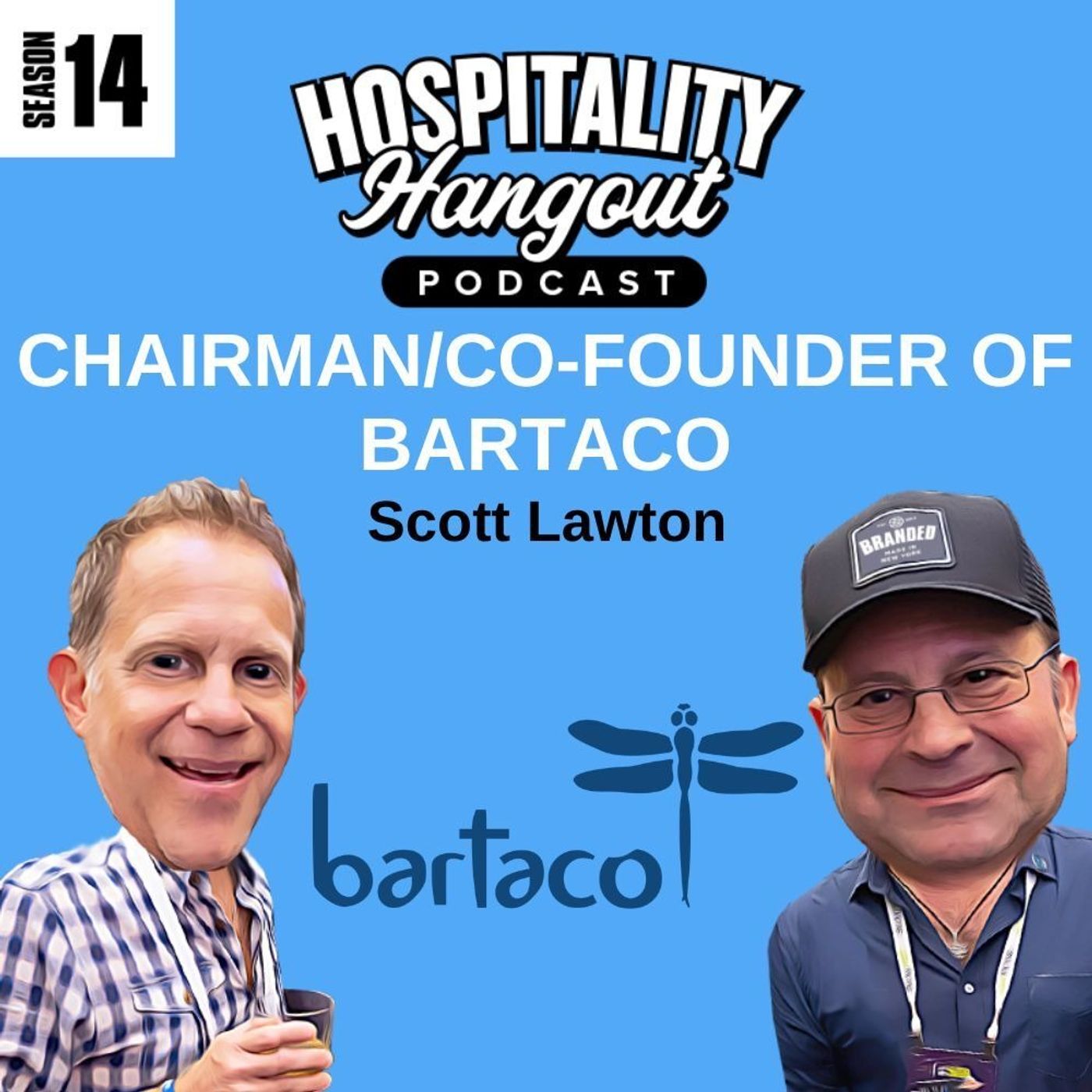
Welcome to a deep dive into the compelling story of BarTaco, a brand that has not only navigated the complex waters of the hospitality industry but has also emerged stronger and more refined through significant transitions. In this blog post, we'll explore the complete narrative of BarTaco, from its humble beginnings and rapid expansion to its eventual acquisition and subsequent renaissance. We will unpack the strategic choices, influential elements, and pivotal moments that have defined each phase of its existence. Whether you're an aspiring restaurateur, a seasoned entrepreneur, or simply a fan of innovative dining concepts, the journey of BarTaco offers invaluable insights. And be sure to check out our latest podcast episode, Building BarTaco: Insights on Brand Culture and Growth in Hospitality, where we chat with Co-Founder and Chairman Scott Lawton about these experiences!
Introduction: The BarTaco Story - A Hospitality Journey
BarTaco isn't just another restaurant chain; it's a vibrant concept that blends authentic flavors with a laid-back atmosphere, creating a unique dining experience that resonates with a broad audience. The brand has successfully carved out a niche in the competitive hospitality sector, known for its delicious tacos, refreshing cocktails, and a distinctive, beachy vibe. The story of BarTaco is a testament to the power of vision, adaptation, and resilience. From its inception, the founders aimed to create more than just a place to eat; they sought to build a lifestyle brand that captured the essence of relaxed coastal living. This ambition fueled the initial growth and continues to inspire the brand's evolution. The twists and turns in BarTaco's journey, including its sale to a larger entity and its subsequent revival, offer valuable lessons about the dynamics of the hospitality business, the importance of brand identity, and the art of staying relevant in a rapidly changing market. In the following sections, we'll dissect each of these phases, providing a comprehensive overview of the factors that contributed to BarTaco's success and the challenges it overcame.
From Busboy to BarTaco Co-Founder: Scott Lawton's Early Influences
Every great success story has a beginning, and for BarTaco, that beginning is deeply rooted in the early career experiences of its co-founder, Scott Lawton. Scott's journey from a busboy to a prominent figure in the hospitality industry is a testament to his dedication, hard work, and keen understanding of the business. His early experiences in various restaurant roles provided him with invaluable insights into the intricacies of the industry. Working his way up from the ground level allowed him to understand the importance of every role within a restaurant, from the kitchen staff to the servers. This hands-on experience instilled in him a deep appreciation for the teamwork and collaboration required to run a successful establishment. Scott's time spent at Tribeca Grill was particularly formative. Tribeca Grill, known for its upscale dining experience and celebrity clientele, exposed Scott to a high-end culinary environment and taught him the importance of quality ingredients, impeccable service, and attention to detail. He learned from some of the best in the business, absorbing knowledge about restaurant management, customer relations, and the art of creating a memorable dining experience. These early experiences shaped Scott's vision for BarTaco and laid the foundation for his future success. His understanding of the industry, combined with his passion for creating exceptional dining experiences, proved to be a winning formula. The lessons learned from his early career experiences continued to guide him as he built and scaled the BarTaco brand.
Barcelona Wine Bar: A Precursor to BarTaco
Before BarTaco took the hospitality world by storm, there was Barcelona Wine Bar, a concept that played a crucial role in shaping the vision and strategy behind BarTaco. Barcelona Wine Bar was more than just a precursor; it was a laboratory where the founders honed their skills, experimented with different concepts, and developed a deep understanding of what it takes to create a successful and sustainable restaurant brand. The success of Barcelona Wine Bar demonstrated the viability of creating a unique and engaging dining experience that catered to a specific niche. The concept focused on offering a wide selection of wines from around the world, paired with a menu of tapas-style dishes that encouraged sharing and socializing. This approach resonated with customers who were looking for a more interactive and communal dining experience. The lessons learned from Barcelona Wine Bar were directly applied to the development of BarTaco. The founders recognized the importance of creating a strong brand identity, focusing on quality ingredients, and providing exceptional customer service. They also understood the value of creating a vibrant and inviting atmosphere that encouraged guests to linger and enjoy their time. The tapas style of dining that was successful at Barcelona Wine Bar was adapted and evolved into the taco-centric menu at BarTaco, allowing guests to sample a variety of flavors and share their experiences with friends. The experience with Barcelona Wine Bar provided the founders with the confidence and knowledge they needed to launch BarTaco and scale it into a national brand. It served as a valuable training ground, allowing them to refine their concept, develop their team, and build a strong foundation for future success.
Building BarTaco: Brand Culture and Lifestyle Focus
The cornerstone of BarTaco's success lies in its ability to cultivate a strong brand culture and focus on lifestyle integration. BarTaco isn't just about serving tacos; it's about embodying a relaxed, coastal lifestyle that resonates with its target audience. From the outset, the founders recognized the importance of creating a brand that was more than just a restaurant; they wanted to build a community of like-minded individuals who shared a passion for good food, great drinks, and a laid-back atmosphere. The design of BarTaco restaurants reflects this lifestyle focus. The spaces are designed to evoke the feeling of a beachside getaway, with bright colors, natural materials, and comfortable seating. The music, the lighting, and even the staff uniforms contribute to the overall ambiance, creating a sense of escapism and relaxation. The menu is also carefully curated to reflect the brand's lifestyle focus. The tacos are made with fresh, high-quality ingredients and inspired by flavors from around the world. The cocktail menu features a variety of refreshing and innovative drinks that are perfect for sipping on a warm day. The focus on lifestyle extends beyond the physical space and menu. BarTaco actively engages with its customers through social media, creating a community where people can share their experiences, connect with the brand, and stay up-to-date on the latest news and promotions. The brand also partners with local organizations and charities, further strengthening its connection to the community. By creating a strong brand culture and focusing on lifestyle integration, BarTaco has been able to differentiate itself from its competitors and build a loyal following of customers who identify with the brand's values and aspirations. This has been a key factor in its long-term success and continued growth.
Strategic Growth and Scaling Challenges
As BarTaco grew from a single restaurant to a multi-location chain, it faced a number of strategic growth and scaling challenges. Expanding a restaurant brand requires careful planning, execution, and adaptation. One of the first challenges was maintaining consistency across all locations. As BarTaco expanded into new markets, it was essential to ensure that the quality of the food, the level of service, and the overall atmosphere remained consistent with the original concept. This required establishing standardized operating procedures, training programs, and quality control measures. Another challenge was managing the supply chain. As the number of locations increased, BarTaco had to ensure that it could source enough high-quality ingredients to meet demand. This required building strong relationships with suppliers and implementing efficient logistics systems. Managing the workforce was also a significant challenge. As the company grew, it needed to recruit, train, and retain a large number of employees. This required developing a strong human resources department and creating a positive work environment that attracted and motivated employees. In addition to these operational challenges, BarTaco also faced strategic decisions about where to expand and how to finance its growth. The company had to carefully evaluate potential locations, assess market demand, and secure funding to support its expansion plans. Despite these challenges, BarTaco was able to successfully scale its operations and grow into a national brand. This was due to a combination of factors, including a strong leadership team, a well-defined brand culture, and a commitment to providing exceptional customer service. The company also benefited from its ability to adapt to changing market conditions and embrace new technologies.
Industry Trends That Shaped BarTaco's Approach
BarTaco's success can also be attributed to its ability to identify and respond to key industry trends. The hospitality industry is constantly evolving, and restaurants that are able to adapt to changing consumer preferences and market dynamics are more likely to thrive. One of the key trends that shaped BarTaco's approach was the growing demand for casual dining experiences. Consumers were increasingly looking for restaurants that offered high-quality food and service in a relaxed and informal atmosphere. BarTaco's taco-centric menu, communal seating, and beachy vibe perfectly catered to this trend. Another trend that influenced BarTaco was the increasing popularity of ethnic cuisine. Consumers were becoming more adventurous in their food choices and were eager to try new and exciting flavors. BarTaco's menu, which featured tacos inspired by flavors from around the world, appealed to this desire for culinary exploration. The rise of social media also played a significant role in shaping BarTaco's approach. The company recognized the power of social media to connect with customers, build brand awareness, and drive traffic to its restaurants. BarTaco actively engaged with its customers through social media, creating a community where people could share their experiences and connect with the brand. In addition to these trends, BarTaco also benefited from the growing interest in sustainability and ethical sourcing. The company made a commitment to using fresh, high-quality ingredients and supporting local farmers and suppliers. This resonated with consumers who were increasingly concerned about the environmental and social impact of their food choices. By staying attuned to these industry trends and adapting its approach accordingly, BarTaco was able to maintain its relevance and appeal to a broad audience.
The Sale of BarTaco: Reasons and Reflections
In 2018, BarTaco was acquired by Del Frisco's Restaurant Group, marking a significant turning point in the brand's history. The decision to sell the company was not taken lightly and was the result of careful consideration and evaluation of various factors. One of the primary reasons for the sale was the opportunity to accelerate BarTaco's growth. Del Frisco's Restaurant Group had the resources and expertise to help BarTaco expand into new markets and reach a wider audience. The acquisition also provided BarTaco with access to a larger infrastructure and support network, which could help the company streamline its operations and improve its efficiency. Another factor that influenced the decision to sell was the changing landscape of the hospitality industry. The industry was becoming increasingly competitive, and it was becoming more challenging for independent restaurant brands to compete with larger, more established players. By joining forces with Del Frisco's Restaurant Group, BarTaco was able to gain a competitive advantage and secure its long-term future. The sale of BarTaco was met with mixed reactions. Some customers and employees were concerned that the acquisition would lead to changes in the brand's culture and quality. However, the founders of BarTaco were committed to ensuring that the brand's values and identity were preserved. They worked closely with Del Frisco's Restaurant Group to ensure that the transition was smooth and that the brand's culture remained intact. Looking back on the sale, it is clear that it was a strategic decision that ultimately benefited BarTaco. The acquisition allowed the brand to grow and expand in ways that would not have been possible otherwise. It also provided the founders with the opportunity to pursue new ventures and explore other passions.
The Revival of BarTaco: New Opportunities and Lessons Learned
Despite the initial promise, Del Frisco's Restaurant Group encountered financial difficulties and was eventually acquired by Landry's, Inc. This transition led to a period of uncertainty for BarTaco. Ultimately, in 2020, BarTaco was reacquired by its original founders and a new management team, signaling a revival of the brand and a return to its core values. This revival presented new opportunities and allowed the team to apply valuable lessons learned from the previous chapter. The reacquisition allowed BarTaco to regain its independence and control over its brand identity. The founders were able to re-establish the brand's original culture and values, which had been diluted during the previous ownership. This was particularly important for maintaining the loyalty of its customers and employees. The revival also allowed BarTaco to refocus on its core strengths and refine its menu and concept. The team was able to experiment with new flavors, update its restaurant designs, and enhance its customer service. This led to a renewed sense of excitement and innovation within the company. One of the key lessons learned from the previous chapter was the importance of staying true to the brand's values and identity. The founders realized that it was essential to maintain a strong connection with the brand's core customers and to avoid making changes that would alienate them. Another lesson learned was the importance of building a strong and supportive team. The founders recognized that the success of BarTaco depended on the dedication and commitment of its employees. They invested in training and development programs and created a positive work environment that attracted and motivated employees. The revival of BarTaco is a testament to the resilience and adaptability of the brand. It demonstrates that even after facing challenges and setbacks, a strong brand can rebound and thrive with the right leadership and vision.
Key Takeaways for Entrepreneurs in the Hospitality Sector
The BarTaco story offers several key takeaways for entrepreneurs in the hospitality sector. These lessons can help aspiring restaurateurs navigate the challenges of building and scaling a successful restaurant brand. First and foremost, it is essential to create a strong brand identity. A brand is more than just a logo or a name; it is the essence of what your restaurant stands for. Your brand should reflect your values, your culture, and your unique selling proposition. It should also resonate with your target audience and create a sense of loyalty and connection. Secondly, it is crucial to focus on quality. This applies to every aspect of your restaurant, from the ingredients you use to the service you provide. Consumers are increasingly discerning, and they are willing to pay more for high-quality food and exceptional service. Thirdly, it is important to adapt to changing market conditions. The hospitality industry is constantly evolving, and restaurants that are able to adapt to changing consumer preferences and market dynamics are more likely to thrive. Be open to new ideas, experiment with new technologies, and stay attuned to industry trends. Fourthly, it is essential to build a strong team. Your employees are the face of your brand, and they play a critical role in shaping the customer experience. Invest in training and development programs and create a positive work environment that attracts and motivates employees. Finally, it is important to be resilient. Building a successful restaurant brand is not easy, and you will inevitably face challenges and setbacks along the way. Learn from your mistakes, stay focused on your goals, and never give up on your vision. By following these key takeaways, entrepreneurs in the hospitality sector can increase their chances of success and build a thriving restaurant brand.
Conclusion: The Enduring Appeal of BarTaco
The journey of BarTaco is a compelling narrative of innovation, resilience, and strategic adaptation in the dynamic world of hospitality. From its inception as a fresh concept blending authentic flavors with a relaxed ambiance, to its expansion, sale, and eventual revival, BarTaco has demonstrated the importance of brand culture, adaptability, and a deep understanding of consumer preferences. The brand's ability to navigate industry trends, overcome challenges, and stay true to its core values is a testament to the vision and dedication of its founders and team. The lessons learned from BarTaco's experiences offer valuable insights for entrepreneurs in the hospitality sector, emphasizing the significance of building a strong brand identity, focusing on quality, adapting to changing market conditions, and fostering a resilient and dedicated team. As BarTaco continues to evolve and expand, its enduring appeal lies in its ability to create a unique and engaging dining experience that resonates with a broad audience, solidifying its place as a leader in the hospitality industry. To hear more about the journey of BarTaco, don't forget to listen to our latest podcast episode with BarTaco Co-Founder and Chairman Scott Lawton, Building BarTaco: Insights on Brand Culture and Growth in Hospitality.