What is 'Third Place Thinking' and How La Madeleine Masters It
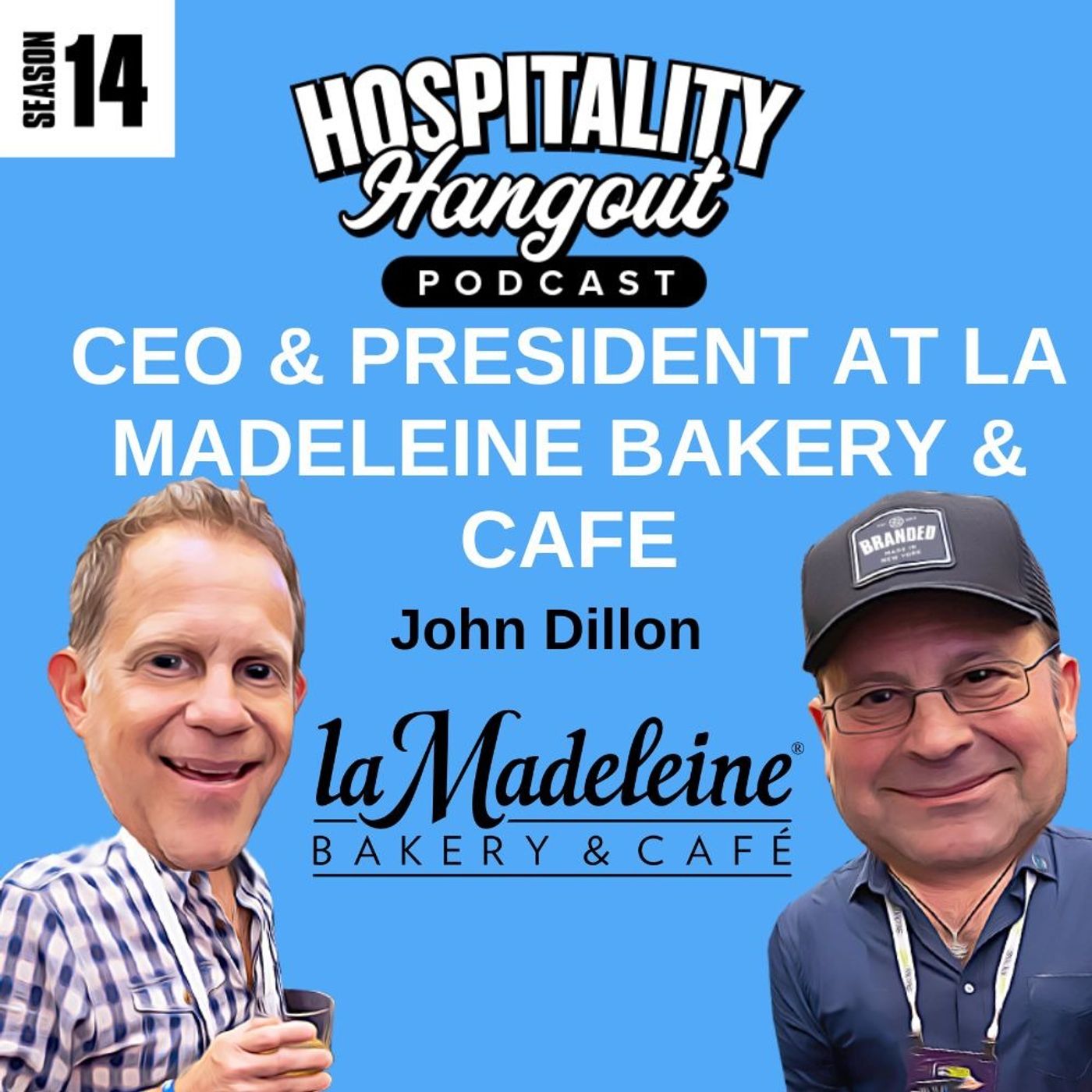
Welcome back to the blog, listeners! In our latest episode of [Related episode title](https://www.thehospitalityhangout.com/third-place-thinking-john-dillon/), we had the distinct pleasure of speaking with John Dillon, the CEO of La Madeleine. John shared some incredibly insightful strategies on how he's revitalizing a beloved legacy brand, and a core concept that emerged from our conversation was 'third place thinking.' This isn't just about serving food; it's about cultivating an environment where people feel a sense of belonging. In this post, we'll delve deeper into what 'third place thinking' truly means and explore how La Madeleine, under John's leadership, is a masterclass in its application.
John Dillon's Vision: Reviving La Madeleine
For 42 years, La Madeleine has been a recognizable name, evoking images of French-inspired comfort and a certain je ne sais quoi. However, as John Dillon explained in our podcast, even the most enduring brands need to adapt and evolve to stay relevant. His vision for La Madeleine was not to discard its rich history, but to infuse it with a renewed sense of purpose and a contemporary understanding of hospitality. This meant looking beyond the transactional nature of a quick meal and focusing on the deeper human need for connection and community. John's background, which includes stints at iconic brands like Blockbuster, Pizza Hut, and Denny's, has given him a unique perspective on what makes brands thrive across different eras and market shifts. He understands that simplification, clarity, and impeccable execution are the bedrock of sustainable growth, but he also recognizes that in today's hyper-connected, yet often isolating, world, the intangible elements of experience are paramount.
The 'Third Place' Concept Explained
The term 'third place' was popularized by sociologist Ray Oldenburg in his 1989 book, "The Great Good Place." Oldenburg argued that beyond our homes (the first place) and our workplaces (the second place), we need a third place – informal public gathering spots where people can socialize, relax, and feel a sense of community. These are places that are accessible, welcoming, and foster a sense of belonging without the obligations or formalities of our first two places. Think of classic examples like local cafes, pubs, bookstores, or even community centers. These are the places where casual conversations happen, friendships are formed, and people can simply be themselves. They are characterized by several key elements:
Accessibility and Inclusivity
Third places are typically easy to access, both geographically and in terms of social barriers. They welcome a diverse range of people and don't require specific attire or membership. The atmosphere is generally relaxed and non-judgmental.
Neutral Ground
Unlike home or work, third places are neutral territory. Participants in the social interactions there are on a level playing field, fostering a sense of equality and camaraderie. There's no inherent power dynamic based on social status or professional roles.
Levity and Playfulness
These spaces encourage lightheartedness and a sense of play. Conversations are often informal, witty, and filled with humor. It's a place to escape the pressures of daily life and engage in more spontaneous and enjoyable interactions.
The Heart of Community Life
Third places serve as the anchors of community. They are where local knowledge is shared, where news travels, and where a sense of collective identity can be nurtured. They are the unsung heroes of social cohesion.
A Range of Company
While they can be places to meet new people, third places also offer the comfort of familiar faces. Regulars often form bonds and look out for one another, creating a supportive social network.
How La Madeleine Embodies Third Place Thinking
La Madeleine, with its rustic French charm and emphasis on warmth, is a prime example of a brand that has successfully integrated third place thinking into its operational DNA. John Dillon's strategy has been to amplify these inherent qualities and ensure they are felt by every guest who walks through their doors. It’s about more than just a delicious croissant or a comforting bowl of soup; it’s about the entire experience. Let’s break down how they achieve this:
The Ambiance: Creating a Home Away From Home
From the moment you step into a La Madeleine, there's a deliberate effort to create a welcoming and comfortable atmosphere. The décor often evokes a rustic French farmhouse, with natural materials, soft lighting, and comfortable seating. This isn't sterile or corporate; it feels lived-in and inviting. The aim is to make guests feel like they've stepped into a cozy, welcoming home, rather than a generic restaurant. This sense of comfort is fundamental to encouraging people to linger and make the space their own, even if just for an hour.
The Menu: Comfort and Indulgence
The menu itself plays a crucial role. La Madeleine offers a range of familiar favorites alongside indulgent treats. It’s the kind of food that nourishes the soul as well as the body. Whether it's a hearty quiche, a classic French onion soup, or a delicate pastry, the food is designed to be comforting and satisfying. This aligns perfectly with the idea of a third place where one can indulge in simple pleasures without judgment.
The Service: Warmth and Genuine Hospitality
Perhaps the most critical element is the service. At La Madeleine, the staff are trained to be more than just order-takers; they are hosts. There's an emphasis on genuine warmth, friendly greetings, and a willingness to make guests feel at ease. This human connection is what transforms a functional transaction into a memorable experience. When staff are genuinely welcoming and attentive, it signals that the establishment values its guests as individuals, not just as sources of revenue.
Encouraging Linger Time
Unlike some fast-casual concepts that might subtly encourage quick turnover, La Madeleine actively fosters an environment where guests are welcome to stay. Comfortable seating areas, accessible Wi-Fi, and a relaxed pace all contribute to this. People can bring their laptops and work for a few hours, meet friends for a leisurely chat, or simply sit with a coffee and a book. This is the essence of a third place: a space that accommodates a variety of needs and allows people to spend their time as they wish, without feeling rushed or out of place.
Balancing Convenience and Connection at La Madeleine
One of the significant challenges in modern hospitality is balancing the increasing demand for convenience with the enduring human need for connection. John Dillon and his team at La Madeleine have navigated this masterfully. They understand that in today's fast-paced world, people often need quick and efficient options. However, they refuse to let this convenience come at the expense of the core third place experience.
This is evident in their operational flow. While guests can certainly grab their order to go or enjoy a quick meal, the physical layout and the overall ethos encourage a slower, more immersive experience for those who have the time. It’s about offering choice. For the commuter needing a quick pastry and coffee, La Madeleine provides efficient service. For the student looking for a quiet study spot or a group of friends wanting to catch up over lunch, the environment is equally conducive. This dual approach ensures that La Madeleine remains relevant to a broad spectrum of customers, each with their own needs and desires for how they interact with the space.
The Role of Technology and Design in Enhancing Experience
While the heart of third place thinking is human connection and ambiance, technology and thoughtful design are powerful enablers. John Dillon touched upon how La Madeleine leverages these elements to enhance, rather than detract from, the guest experience.
Design for Comfort and Flow
The physical design of La Madeleine spaces is crucial. Layouts are often planned to create distinct zones – areas for quick service, comfortable seating for lingering, and perhaps even quiet corners for focused work. The choice of materials, furniture, and lighting all contribute to the desired atmosphere. It's about creating a sensory experience that is both appealing and functional, inviting people to settle in and feel at home.
Technology as an Enabler, Not a Dominator
In the age of smartphones and digital connectivity, third places must integrate technology thoughtfully. For La Madeleine, this often means providing reliable Wi-Fi, which is essential for those using the space as a temporary office or simply to stay connected. However, the technology is designed to be unobtrusive. The focus remains on the people and the atmosphere, with technology serving as a tool to facilitate a better experience, rather than becoming the sole focus of attention. This is a delicate balance, and La Madeleine seems to have found it by ensuring that digital interactions complement, rather than replace, genuine human ones.
Social Media and Brand Storytelling
Beyond the physical space, brands like La Madeleine also use social media to extend their third place ethos. They share stories, highlight community connections, and create a digital extension of their welcoming brand. This can inspire people to visit and reinforce the idea of La Madeleine as a place that cares about more than just selling food.
Key Takeaways for Hospitality and Beyond
The lessons we can glean from La Madeleine's embrace of third place thinking are profound and extend far beyond the realm of hospitality.
- Prioritize Atmosphere: Invest in creating an environment that is comfortable, welcoming, and visually appealing. Think about the sensory experience – sight, sound, smell, and touch.
- Cultivate Genuine Hospitality: Train staff to be more than just service providers; empower them to be hosts who create meaningful connections with guests. Authenticity is key.
- Embrace the 'Linger Factor': Design spaces and operational flows that encourage guests to stay and relax, rather than simply rush through. Provide amenities that support extended stays, like comfortable seating and Wi-Fi.
- Balance Convenience with Connection: Understand that modern consumers value both efficiency and authentic experiences. Find ways to offer both without compromising the core identity of your brand.
- Technology as a Supporting Actor: Use technology to enhance the guest experience, but ensure it remains a tool that supports human interaction and atmosphere, rather than dominating it.
- Build Community: Foster a sense of belonging and encourage social interaction. This is the ultimate goal of a third place.
For any business that relies on foot traffic and customer engagement, understanding and implementing 'third place thinking' can be a game-changer. It shifts the focus from a purely transactional relationship to one that is built on loyalty, comfort, and a sense of shared space.
Conclusion: The Enduring Power of Welcoming Spaces
In our conversation with John Dillon on the latest episode of [Related episode title](https://www.thehospitalityhangout.com/third-place-thinking-john-dillon/), the concept of 'third place thinking' emerged as a powerful differentiator for La Madeleine. It's a philosophy that recognizes our fundamental human need for connection, community, and a comfortable space outside of our homes and workplaces. La Madeleine, through its carefully cultivated ambiance, warm hospitality, and thoughtful design, has become a master of this concept. They've demonstrated that by prioritizing the guest experience and creating an environment where people feel welcomed and valued, a brand can transcend simple transactions and build lasting relationships. This approach not only revitalizes a legacy brand but also taps into something deeply resonant in the human spirit. The enduring power of a truly welcoming space is undeniable, and La Madeleine is a shining example of how to harness it for success.