How Fast Casual, QSR, and C-Stores Are Rewriting the Rules in 2026
The American foodservice landscape is experiencing unprecedented transformation as technology adoption, labor pressures, and evolving consumer expectations converge. From AI-powered drive-thrus to convenience stores becoming legitimate breakfast destinations, traditional boundaries between dining segments are blurring faster than ever.
As we move through 2026, operators face a market defined by cautious consumers and intense value competition. Traffic growth is expected to remain below 1% this year, forcing brands to compete for market share rather than rely on industry expansion. With pricing across segments converging around $10-$12, competition between fast casual, QSR, and casual dining has intensified.
Winners will balance technology investment with operational excellence, labor optimization with elevated experiences, and value pricing with quality perception.
How Fast Casual Is Winning With AI, Loyalty, and Third-Place Experiences
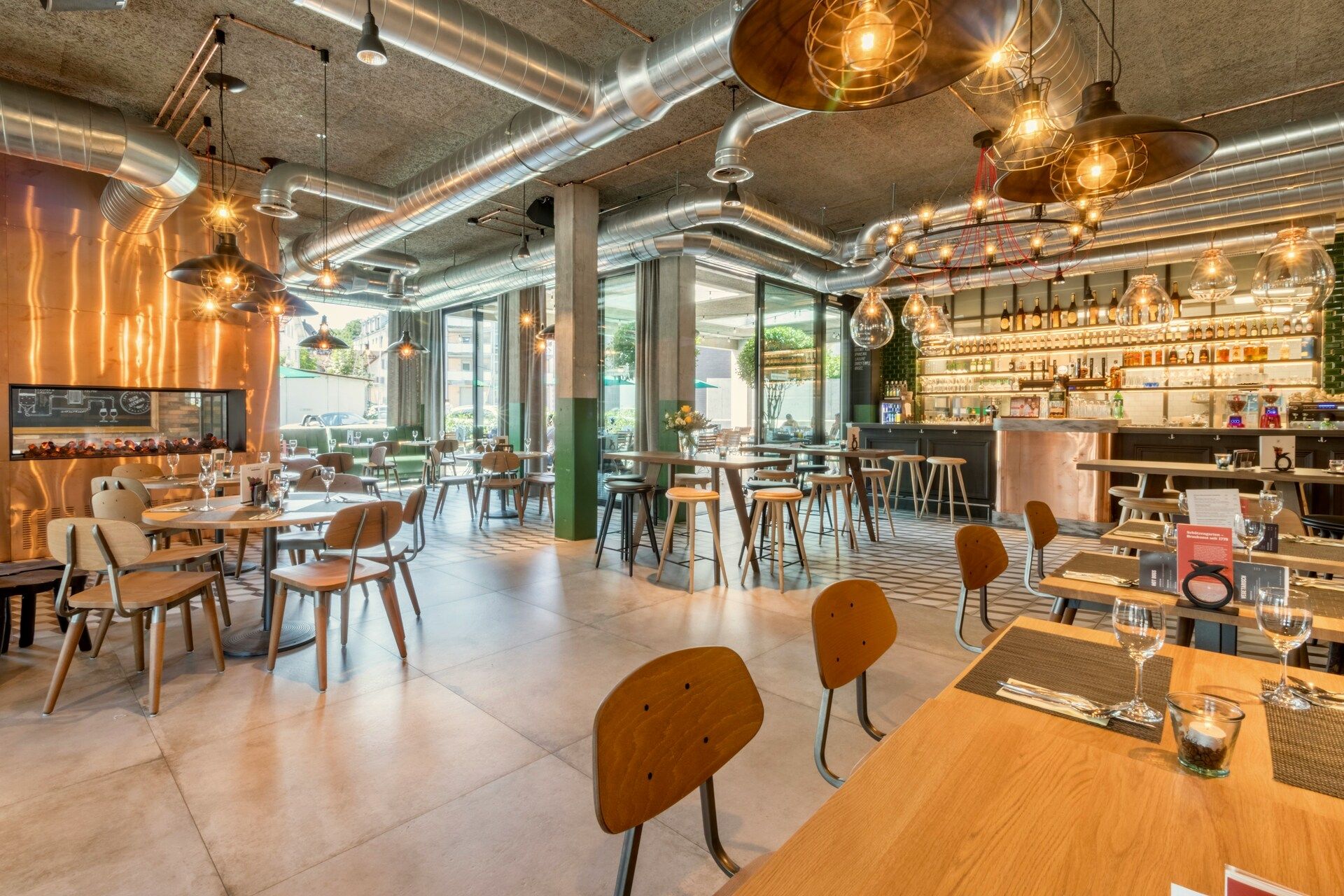
Fast casual restaurants increasingly adopt elements of full-service dining—table service with QR code ordering, craft cocktail programs, and extended daypart offerings. However, traffic growth slowed from 3.3% in December 2024 to just 1.7% in October 2025, with consumers questioning the value of $15-$20 entrees. Leading brands respond by creating "third place" environments with comfortable seating and work-friendly amenities that justify premium pricing.
AI is transforming back-of-house operations. Roughly one-third of operators already use AI technologies, with nearly half planning near-term adoption. Focus areas include predictive inventory management, real-time upsell potential from self-ordering behavior, automated prep scheduling, and intelligent kitchen display systems. AI automation can reduce labor hours by 15-50% in targeted workflows while improving throughput during peak periods.
Sustainability is shifting from marketing to operations, with zero-waste initiatives and renewable energy becoming standard practice rather than premium positioning. This reduces costs while meeting consumer expectations—customers now view sustainable practices as table stakes.
Loyalty programs are evolving into revenue centers, with subscription-style models lowering marketing expenses while increasing visit frequency. Some chains report loyalty members accounting for over half of total sales. The most sophisticated programs use AI to deliver hyper-personalized guest experiences that drive both frequency and average check.
Self-service kiosks enable this personalization—when tied to loyalty programs, facial recognition can deliver customized menus and targeted promotions instantly.
How QSR Is Mastering Speed, Quality, and Technology All at Once
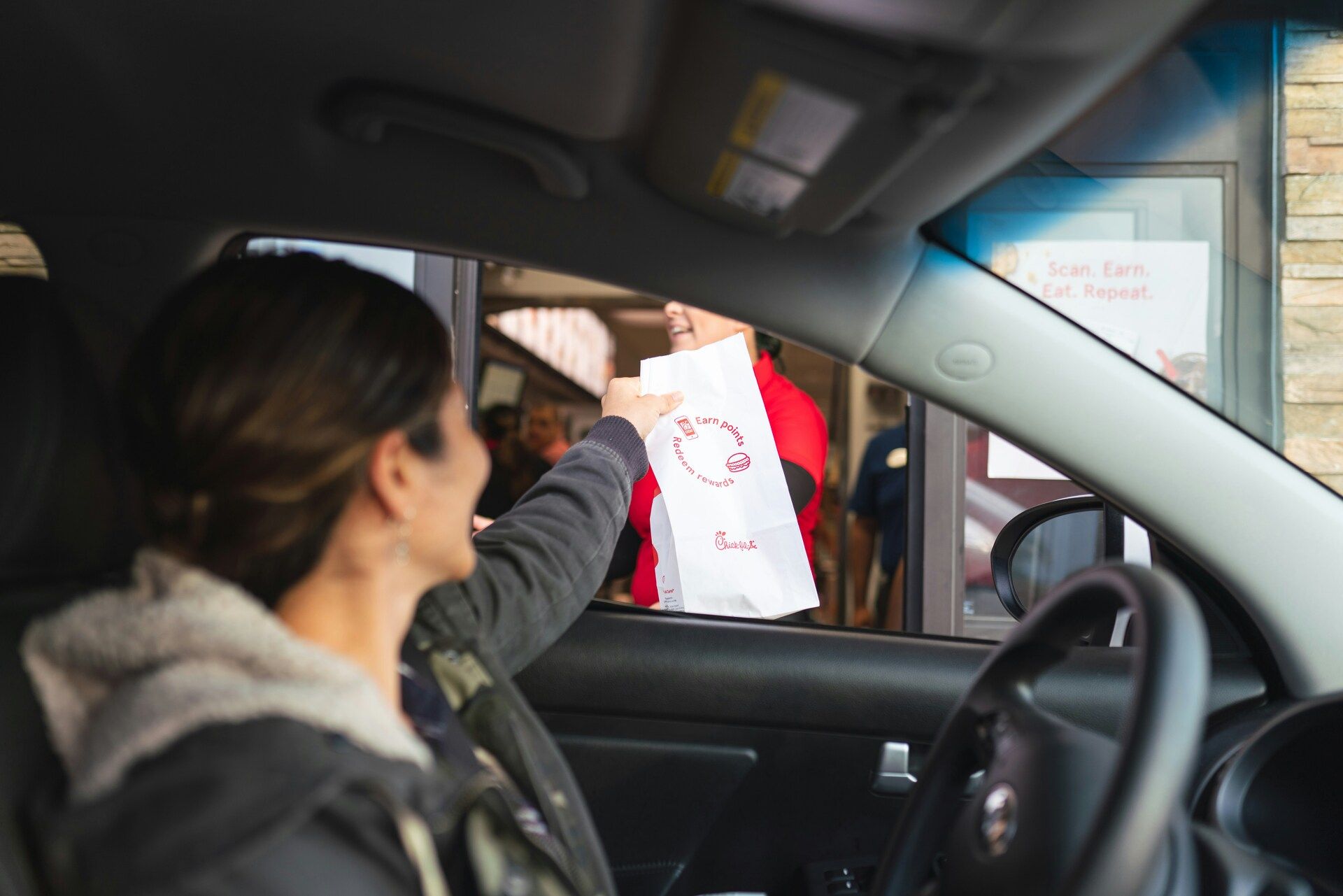
Quick-service restaurants are reimagining the drive-thru as an omnichannel fulfillment center. Drive-thru and delivery now account for over 70% of revenue at leading brands, driving investments in dedicated mobile pickup lanes, AI voice ordering, and outdoor kiosks with curbside pickup. Voice ordering is crossing a critical threshold in 2026, with pizza and takeout categories seeing 26%+ phone revenue increases. New drive-thru designs feature dual lanes with separate mobile order routing, cutting transactions to under 90 seconds while increasing throughput by 18%.
QSRs are introducing premium menu stratification with elevated ingredients, cultural collaborations, and tiered pricing featuring "signature" product lines. This reflects attempts to compete with fast casual on quality while maintaining speed advantages.
Rather than ceding delivery-only concepts to third parties, QSRs are launching virtual brands from existing locations. This maximizes kitchen capacity during off-peak hours while testing new concepts with minimal capital investment through dual-brand operations and daypart-specific offerings.
Labor technology extends beyond POS systems. Automated beverage stations and robotic fry cooks are scaling from pilots to deployment. Employee scheduling AI optimizes shifts based on predicted demand, while cross-training tools help crew members quickly learn new stations—critical when 80% of annual restaurant turnover makes reliable staffing impossible. IoT-enabled equipment monitoring enables predictive maintenance rather than reactive repairs.
How C-Stores Became Restaurant Innovators—And Why Customers Love It
Perhaps no trend is more transformative than convenience stores aggressively positioning themselves as breakfast competitors. Chains like 7-Eleven debut Belgian waffle sandwiches and breakfast tacos that rival fast casual offerings. At breakfast, consumers want speed, predictability, and value—all c-store strengths. Self-service kiosks manage morning rush complexity while maintaining expected speed, with 66% of customers wishing they could get made-to-order food from c-stores.
Fresh food programs are maturing into core business. Foodservice now comprises 27.7% of in-store sales and 38.6% of gross margin, making it one of the most important profit drivers. Leading operators develop proprietary menu items for brand differentiation rather than relying solely on partners.
EV charging infrastructure is fundamentally changing customer behavior. Extended 20-30 minute dwell times require enhanced amenities beyond grab-and-go premium food offerings, digital ordering from vehicles, and comfortable seating with WiFi. This creates opportunities to increase transaction values by offering sophisticated options during otherwise idle time.
The Winning Formula: How Kiosk Technology Empowers Better Hospitality Across All Formats
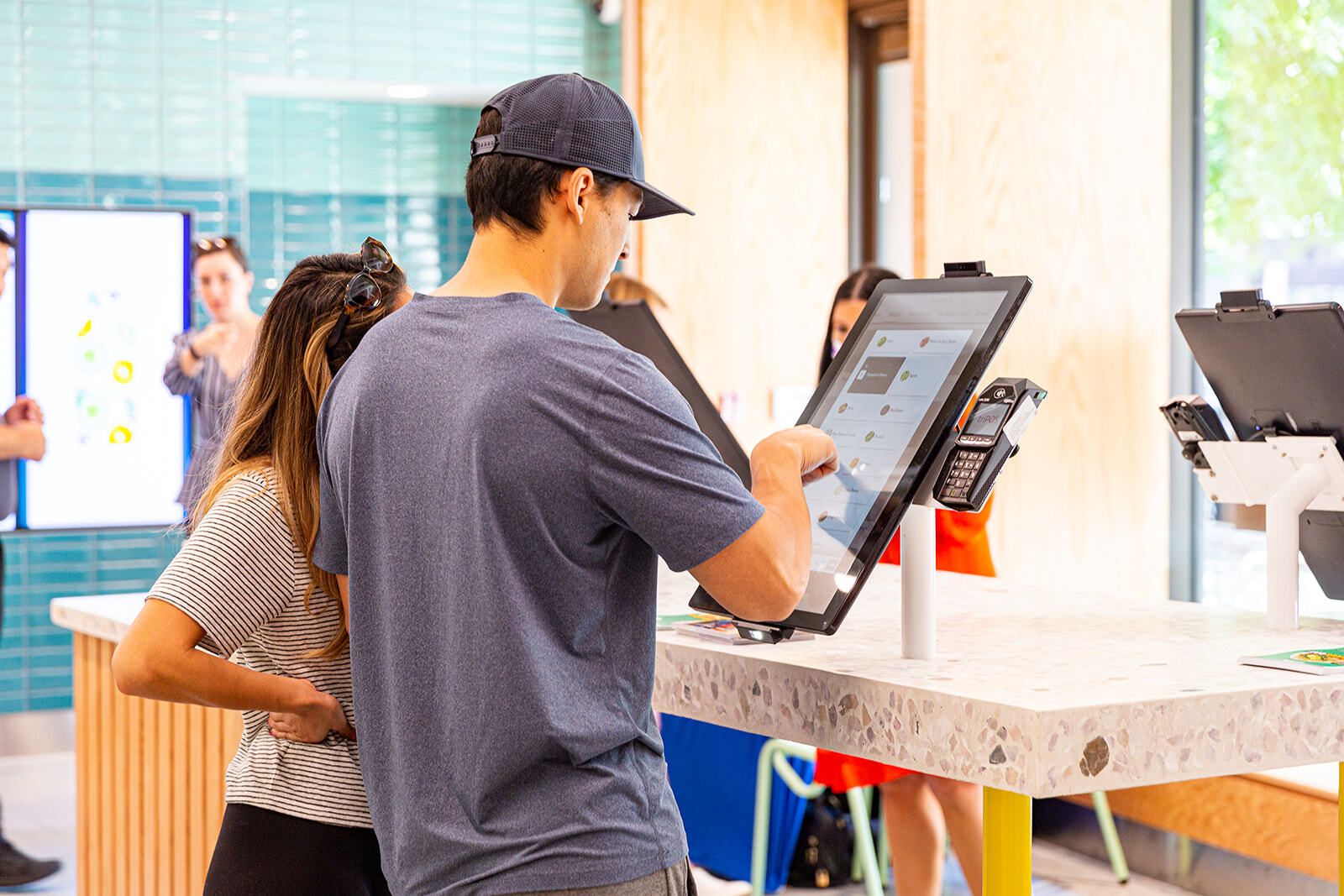
Three threads connect trends across segments: aggressive technology investment, relentless labor optimization, and elevated experiences that justify pricing. Self-service technology serves as the critical connector—61% of diners now want more kiosks, while studies show order sizes increase 15-30% with self-ordering interfaces.
The lines between segments continue to blur as c-stores adopt restaurant-quality programs, QSRs integrate premium ingredients, and fast-casual emphasizes speed and value. Success belongs to operators who view technology as enabling great service to scale, optimize operations without sacrificing quality, and deliver clear value propositions.
For restaurant technology providers, this environment presents a significant opportunity. Solutions that work seamlessly across formats, adapt to unique operational requirements, and deliver measurable ROI will be essential partners. The winning technology won't be the flashiest—it will solve real operational problems, integrate smoothly with existing systems, and deliver results from day one.